
-
-
-
-
Honor

-
-
-
-
-
Contact

-
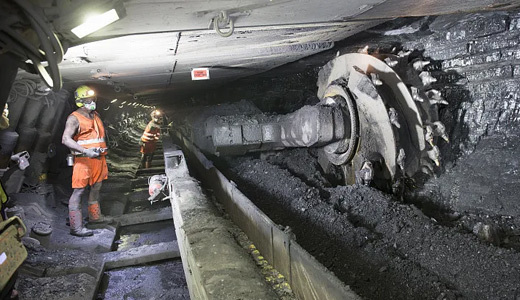








Demand becomes the key to the short-term steel price trend.
Release time:
2019-08-27
Author:
Source:
In late July, the rebar futures market went down significantly due to the triple factor of high supply, low demand and weak macro. At present, the 1910 price of the main rebar futures contract has fallen below 3700 yuan/ton. Combined with the analysis of current fundamental factors, although the medium-term downward trend of rebar prices has been established, there is still the possibility of a rebound in the short cycle, and demand has become the main factor determining the timing and sustainability of the short-term steel price rebound.
Supply contraction is expected to gradually cash in
Since the end of June, the environmental protection and production restriction policies in Tangshan and Handan, Hebei have become stricter, but from the actual situation in July, its impact on supply is not obvious. In July, the weekly output of rebar was basically maintained above 3.75 million tons, and the blast furnace operating rate and capacity utilization rate were also basically stable. Considering that the prohibition of "one size fits all" is the main tone of the current environmental protection policy, even in the context of the 70th anniversary of the founding of New China, it is expected that the intensity of environmental protection production restrictions will be less than the market expected.
For changes in late supply, more attention should be paid to changes in steel mill costs and profits. In terms of short processes, at present, some electric furnace steel enterprises have suffered losses and have begun to take the initiative to reduce production. The decline in rebar weekly production is mainly due to the reduction in electric furnace steel production. In terms of long-term process, after July, the price difference between high and low grade ore has widened, and the cost performance of high-grade Australian powder ore has decreased. Some steel mills have reduced costs by adjusting the ratio of raw materials, and the demand for low-grade iron ore has increased. Considering that the current steel mill converter scrap addition ratio has been at a historical high, and scrap compared to iron is no longer cost-effective, therefore, the long-process steel mill production growth space is limited.
The production cuts triggered by changes in costs and profits will hedge against the increase in production due to the marginal easing of environmental restrictions, with a higher probability of a slow decline in steel production at a later stage.
Demand is still likely to pick up month-on-month in the short term.
After May, the real estate market began to weaken, and investment and new construction data fell for two consecutive months. Considering that the growth rate of land acquisition area has declined at an average monthly rate of 30% since the beginning of this year and the impact of this year's halving of shed reform data, real estate may enter a downward cycle in the second half of the year. The Politburo meeting held at the end of July clearly stated that "real estate should not be used as a short-term economic stimulus", which further strengthened this expectation. In terms of infrastructure, the government's support for infrastructure investment will continue to increase for the need to stabilize growth. However, under the constraints of the decline in fiscal revenue growth and local government debt, infrastructure investment is more of a bottoming role, may not be enough to stimulate the growth of the entire construction steel demand.
In the short term, in the next one or two months, the demand for construction steel is still likely to rebound from the previous month. The main reasons are as follows: first, the newly started area and the area under construction of real estate in the first half of the year are still large, and the stock construction area will continue to support the demand for steel; second, the recent high temperature and rainy weather and the shortage of funds have been significantly alleviated, The demand suppressed by these factors in the early stage is still possible release, there may be demand for short-term rebar at that time.
Watch volume and inventory data changes
Affected by strong supply and weak demand, rebar stocks have rebounded for nine consecutive weeks since the beginning of June. By the end of last week, rebar stocks had reached 9.1072 million tons, up 1.2468 million tons from early July. This year, the magnitude and timing of the accumulation of rebar inventories exceeded the level of the nearly 5-year cycle. Last week, the decline in rebar production and the rise in inventories were also interpreted by the market as further weakening of demand, leading to a further rapid decline in prices.
From the perspective of construction steel transactions, after mid-July, the transaction volume of construction steel for 237 traders across the country was basically below 200000 tons, and only a small amount of time exceeded 200000 tons. Therefore, for the point at which short-term demand starts, it is recommended to focus on changes in volume and inventory data. If the volume of construction steel in the later period remains above 200000 tons for a week in a row, accompanied by destocking, it indicates a substantial improvement in demand.
In summary, the medium-term downward trend of the rebar market has been established, but there is still the possibility of a rebound in the short term. It is recommended to pay attention to changes in construction steel trading volume and inventory data.
Key words:
Previous Page
Previous Page: