-
-
-
-
Honor
-
-
-
-
-
Contact

-
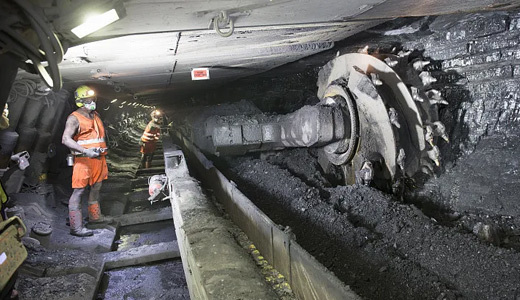

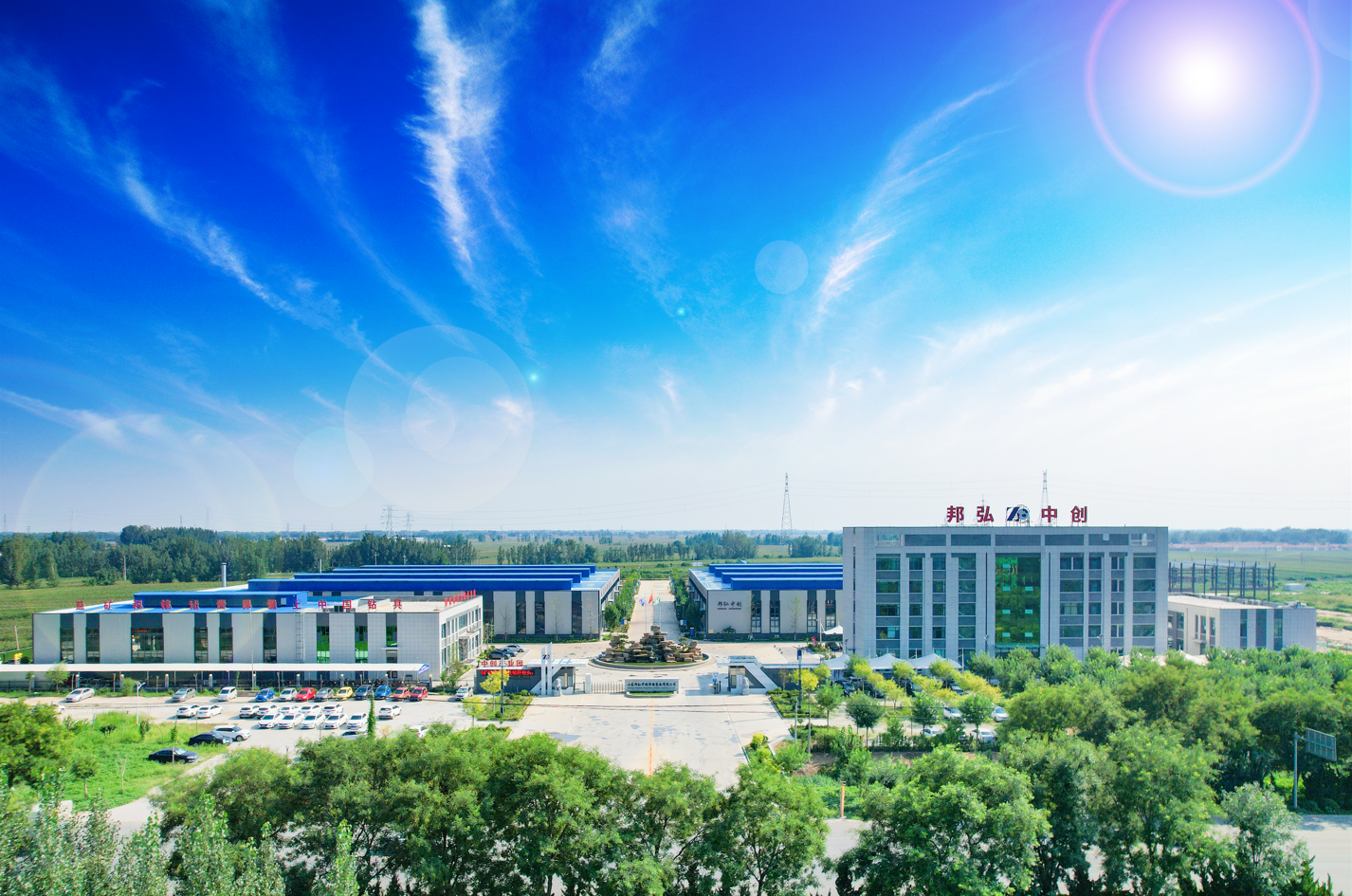






Typhoon is approaching, the production safety of beneficial mining technology enterprises is the first.
Release time:
2019-08-11
Author:
Source:
Through the study of typhoons, it is shown that if enterprises can formulate an emergency plan before, during and after typhoons in advance, although typhoon disaster losses cannot be avoided, they can at least reduce losses to a certain extent.
1. Formation of an emergency response team
2. The person in charge of the emergency team has sufficient authority
3. Assign special personnel to supervise and report changes in meteorological conditions
4. The different positions of the emergency response team need to perform their pre-assigned tasks in each warning phase of the typhoon.
5. Maintain a timely updated contact list
6. If the company's important documents and records may be damaged, formulate relevant protection/transfer plan
7. Prepare alternate communication facilities
8. Prepare enough straps
9. Prepare sufficient canvas or waterproof cover to protect critical equipment and inventory when needed
10. Large glass windows and damage will bring huge losses, prepare steel plate or plywood. If necessary, install steel plate or plywood on glass windows
11. If the factory is in a depression, it is also necessary to develop emergency flood prevention plans, prepare drainage pumps and sufficient sandbags to prevent flooding caused by typhoons.
12. Identify and consider the removal of large plant trees that may be blown down and damaged buildings, or communication lines and transmission lines in a typhoon.
13. Before the typhoon season, check and repair the house several months in advance, and check the reserve of disaster prevention materials
14. Agreement with the Contractor for Ongoing Supply and Maintenance Services
15. Develop site security plan after typhoon
In the formation stage before the typhoon, enterprises should also keep abreast of the latest progress of the typhoon, start to implement the typhoon emergency plan, and take specific actions according to the pre-determined checkpoints in the plan.
When the typhoon is approaching, enterprises should pay attention to fixing all equipment installed on the roof (such as HVAC units and exhaust fans) on the roof platform; Remove all outdoor inventory and fix outdoor items that cannot be removed such as temporary buildings, outdoor signs, outdoor equipment, etc.; Check all fire protection equipment, such as spray control valves and fire pumps; protect valuables such as computers, production equipment and inventory that may be subject to water damage with canvas and waterproof covers; install steel/plywood on doors and windows; isolate, neutralize or remove from the site chemicals that may react strongly with each other; shut down all non-critical auxiliary electrical equipment; protect/transfer important records.
When the typhoon has arrived, the enterprise should shut down the gas to minimize the possibility of fire damage; protect or shut down other potential fire sources; orderly stop the operation of using external power supply in accordance with the prescribed procedures; if possible, disconnect the power transmission main line of the factory to avoid damage to the power supply equipment and cause potential fire. On the premise of ensuring safety, patrol indoors continuously to pay attention to roof leakage, pipe rupture, fire or structural damage. When the typhoon is most violent, personnel should stay in a safe area free from strong winds and floods. Continuous monitoring of important production equipment that has not yet stopped production; The power switch should be turned off during the power outage to avoid reopening without necessary inspection.
Even after the typhoon dissipates, enterprises should not take it lightly and should strengthen on-site security. Investigate the damage and analyze the necessary conditions for resuming production. Check for potential safety hazards, such as falling wires, gas leakage or flammable liquid, toxic gas, foundation damage or underground pipeline damage, etc.; Carry out property rescue work as soon as possible to avoid further losses, such as blocking and covering broken windows and damaged roofs immediately, sorting damaged goods; repairing damaged fire extinguishing systems such as automatic sprinkler systems to restore operation as soon as possible; calling key personnel and informing the contractor to start maintenance to ensure that all safety systems are fully implemented before work is approved to start; contacting insurance companies to report losses; unblocking roof storm water pipes and removing roof debris to avoid poor drainage; before restarting the main power distribution system, visually inspect for open bus bars, conductors and broken insulators.
Key words: